

margretmims69
About margretmims69
The Cost of Private Air Travel: An In-Depth Analysis
Private air travel has become increasingly popular among business executives, celebrities, and affluent individuals seeking convenience, privacy, and comfort. However, the costs associated with private air travel can vary significantly based on several factors, including the type of aircraft, distance traveled, and additional services. This report delves into the various components that contribute to the overall cost of private air travel, offering insights into why it can be a lucrative yet expensive option.
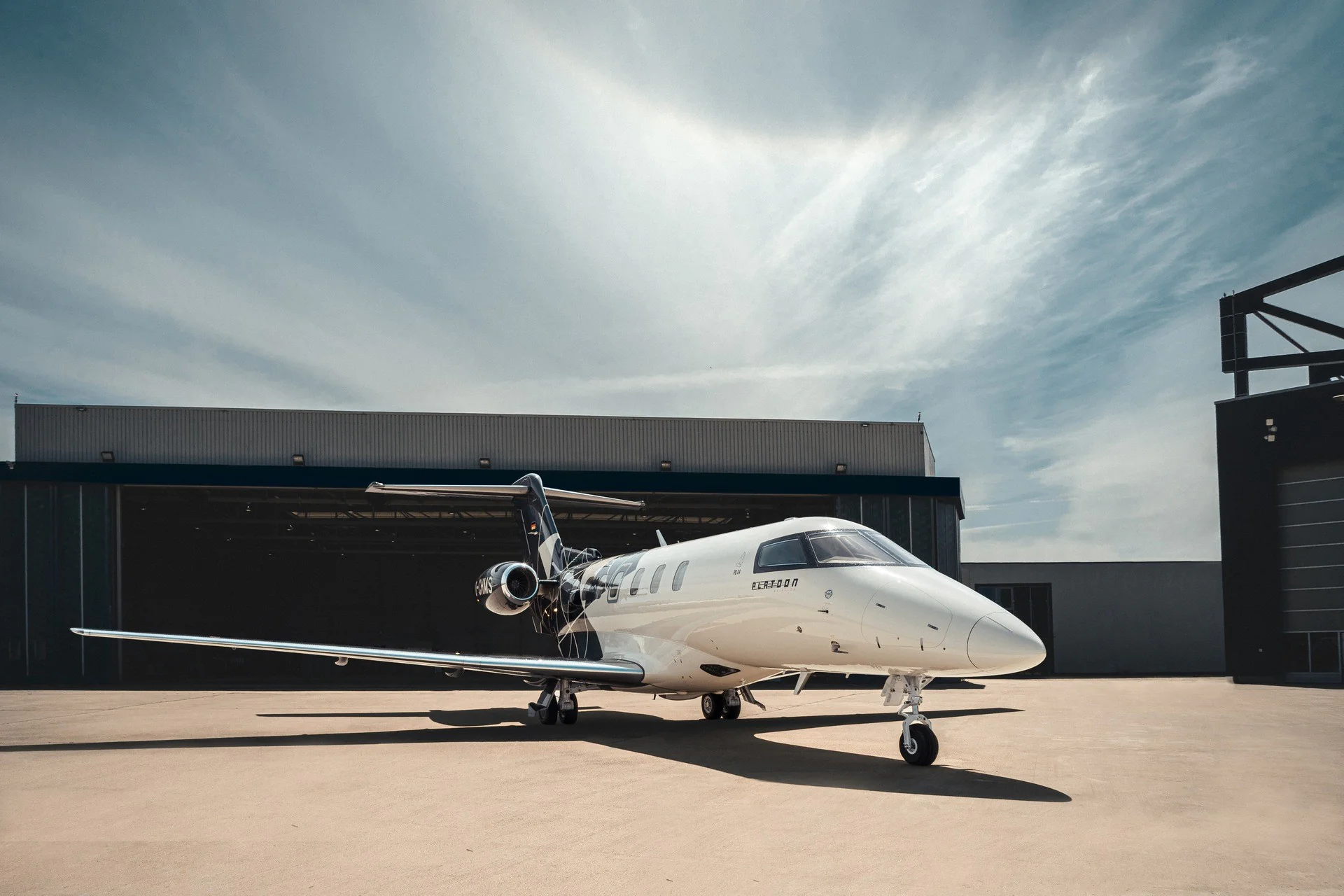
1. Types of Aircraft
The cost of private air travel often begins with the choice of aircraft. There are several categories of private jets, each with its own price range:
- Light Jets: Typically seating 4 to 8 passengers, light jets are ideal for short to medium distances. The cost per hour to operate a light jet can range from $2,000 to $3,500.
- Midsize Jets: These jets can accommodate 6 to 9 passengers and are suitable for longer flights. Operating costs usually range from $3,500 to $6,000 per hour.
- Heavy Jets: For larger groups or long-haul flights, heavy jets offer more space and comfort. The hourly operating costs can be between $5,000 and $10,000.
- Ultra-Long-Range Jets: Designed for intercontinental travel, these jets can carry 10 or more passengers and often come with luxurious amenities. Operating costs can exceed $10,000 per hour.
2. Cost Per Flight Hour
The cost per flight hour is a critical factor in determining the total expense of private air travel. This cost includes fuel, maintenance, pilot salaries, and insurance. Fuel prices can fluctuate significantly, impacting overall costs. In addition, the type of aircraft plays a vital role, as larger and more luxurious jets naturally incur higher operating expenses.
3. Additional Costs
In addition to the basic hourly rate, several additional costs can contribute to the total expense of a private flight:
- Landing Fees: Airports charge landing fees, which can vary widely depending on the airport’s location and the aircraft’s size. Busy international airports tend to have higher fees.
- Handling Fees: These fees are charged by fixed-base operators (FBOs) for services such as fueling, baggage handling, and ground transportation arrangements.
- Crew Expenses: If the flight requires more than one pilot or additional crew members, these costs will add to the total.
- Catering and In-Flight Services: Custom catering options, entertainment systems, and other in-flight services can significantly increase costs.
- De-icing and Hangar Fees: In colder climates, de-icing services may be necessary, and hangar fees can apply if the aircraft needs to be stored overnight.
4. Membership and Charter Services
For those who do not fly frequently enough to justify owning a private jet, charter services and membership programs offer alternatives. Charter services allow individuals to rent a jet for a specific trip, with costs typically ranging from $1,200 to $8,000 per hour, depending on the aircraft. Membership programs, such as those offered by companies like NetJets or Wheels Up, allow members to purchase a share in an aircraft or pay for flight hours in advance, often at a lower cost than traditional chartering.
5. Ownership vs. Chartering
Individuals considering private air travel must weigh the benefits of ownership against chartering. Owning a private jet involves significant upfront costs, including the purchase price, which can range from a few hundred thousand to several million dollars, depending on the aircraft type. If you loved this information along with you would like to get more details about private jets charter rates generously visit the internet site. Additionally, owners must account for ongoing expenses such as maintenance, insurance, and storage.
On the other hand, chartering provides flexibility and eliminates the long-term financial commitment associated with ownership. However, frequent travelers may find that ownership becomes more cost-effective over time.
6. Tax Considerations
Tax implications can also affect the overall cost of private air travel. In some jurisdictions, owners may be eligible for tax deductions related to their aircraft’s operational expenses. However, the rules surrounding these deductions can be complex, and individuals should consult with tax professionals to understand their specific circumstances.
7. The Impact of COVID-19
The COVID-19 pandemic has had a profound impact on the private aviation industry. While commercial airlines faced significant declines in passenger numbers, private aviation saw a surge in demand as travelers sought safer alternatives. This increased demand has led to higher prices for charters and a limited availability of aircraft, further driving up costs.
8. Future Trends in Private Air Travel Costs
As technology evolves, new trends are likely to emerge in the private air travel sector. The introduction of sustainable aviation fuel (SAF) and electric aircraft may offer cost-saving opportunities in the future. Additionally, the rise of air taxi services and urban air mobility could change the landscape of private air travel, potentially making it more accessible and affordable.
Conclusion
Private air travel offers unparalleled convenience and luxury but comes with a significant cost. Understanding the various factors that contribute to these expenses—such as aircraft type, operating costs, and additional fees—can help potential travelers make informed decisions. Whether through ownership, chartering, or membership programs, individuals must carefully evaluate their travel needs and budget to determine the most cost-effective option for their lifestyle. As the industry adapts to changing demands and technological advancements, the future of private air travel may hold new opportunities for both cost savings and enhanced experiences.
No listing found.